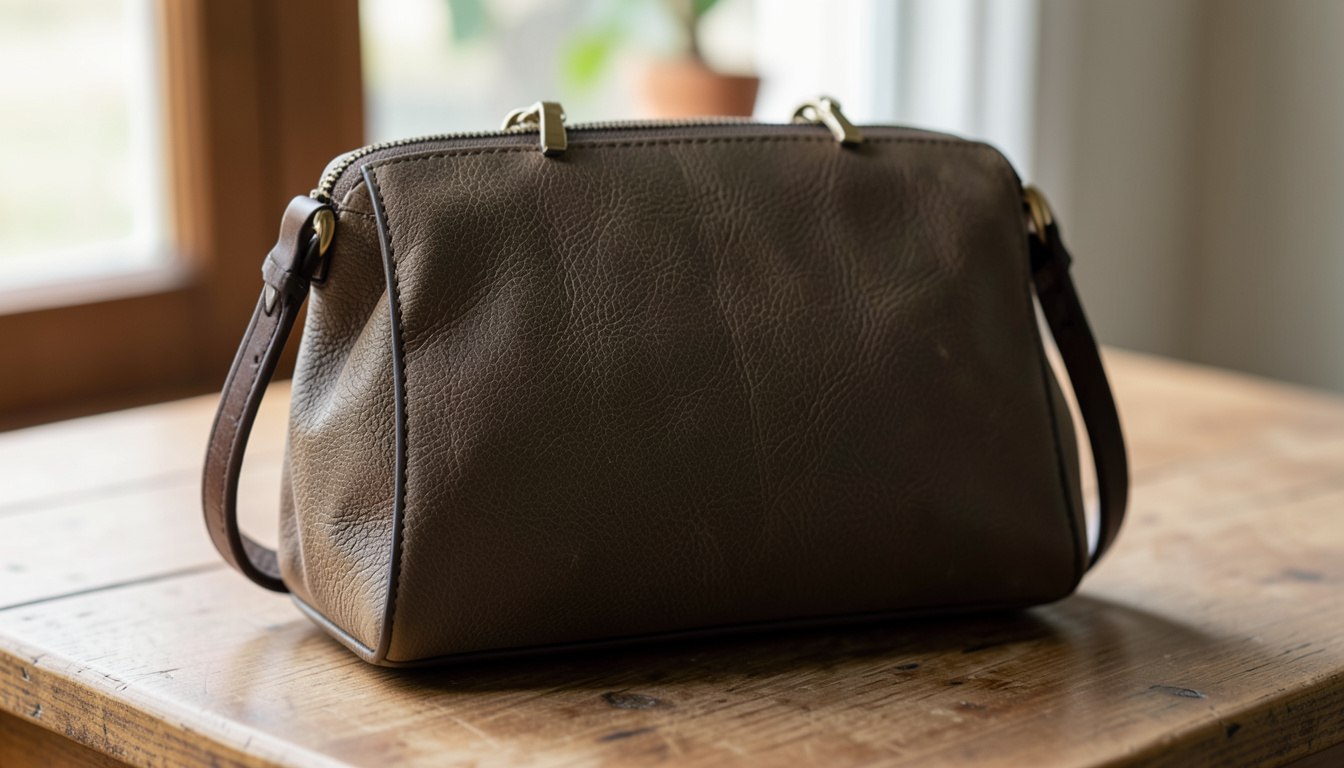
The idea that designer fakes are always low-quality and unethical is widely held. But is this really the case? Let's dive in.
The belief that designer fakes are inherently inferior and unethical has gained significant traction. This view is often supported by the argument that counterfeit goods fund criminal organizations and harm legitimate businesses. While these points have some merit, they don't tell the whole story.
Test the Connection First
Before purchasing a designer fake, it's crucial to verify the seller's credibility. Look for reviews, ratings, and any available customer feedback. A reputable seller will have a track record of satisfied customers and transparent communication.
For example, consider the case of a well-known online marketplace that specializes in designer dupes. This platform has built a strong reputation by ensuring quality control and customer satisfaction. By choosing sellers with similar standards, you can significantly reduce the risk of receiving a subpar product.
Understand the Legal Implications
Purchasing designer fakes can have legal consequences, depending on your location. It's essential to be aware of the laws in your country regarding counterfeit goods. In some jurisdictions, buying fakes can result in fines or other penalties.
For instance, in the United States, the sale and purchase of counterfeit goods can be prosecuted under federal law. While enforcement varies, it's important to understand the potential risks before making a purchase.
Assess the Quality
Not all designer fakes are created equal. Some replicas are remarkably well-made and can be difficult to distinguish from the authentic products. However, others may be poorly constructed and fall apart quickly.
To ensure you're getting a high-quality fake, look for detailed product descriptions and multiple photos. Pay attention to the materials used and the craftsmanship. A well-made fake will often use similar materials and construction techniques as the authentic item.
Consider the Ethical Implications
Beyond the legal aspects, there are ethical considerations to take into account. Purchasing designer fakes can contribute to the exploitation of workers in sweatshops and other unethical practices.
For example, a report by the International Labour Organization found that the counterfeit goods industry often relies on exploitative labor practices. By choosing to buy fakes, you may be indirectly supporting these conditions.
Concession: The Gray Area
While the arguments against designer fakes are compelling, there are some valid points in favor of purchasing them. For instance, designer dupes can be a more affordable way to access high-end fashion. This can be particularly appealing for those who want to enjoy the aesthetics of luxury brands without the exorbitant price tag.
Additionally, some argue that the demand for designer fakes is a direct result of the high prices set by luxury brands. By offering more affordable alternatives, the market for fakes could potentially decrease.
What to Believe Instead
Rather than dismissing designer fakes outright, it's important to approach the topic with nuance. Recognize that there are both ethical and practical considerations to take into account. By doing your research and making informed decisions, you can navigate the world of designer dupes more responsibly.
Frequently Asked Questions
What are the legal risks of buying designer fakes?
The legal risks vary depending on your location. In some countries, purchasing counterfeit goods can result in fines or other penalties. It's important to be aware of the laws in your area.
How can I ensure the quality of a designer fake?
Look for detailed product descriptions, multiple photos, and customer reviews. Pay attention to the materials used and the craftsmanship. A well-made fake will often use similar materials and construction techniques as the authentic item.
Are there ethical alternatives to buying designer fakes?
Yes, there are ethical alternatives. Consider supporting brands that prioritize fair labor practices and sustainable materials. Additionally, you can look for second-hand or vintage luxury items, which can be more affordable and environmentally friendly.
What should I do if I receive a low-quality fake?
If you receive a low-quality fake, contact the seller immediately. Provide detailed feedback and request a refund or replacement. If the seller is unresponsive, consider reporting them to the platform or leaving a review to warn other potential buyers.
How can I support ethical fashion?
Support ethical fashion by choosing brands that prioritize fair labor practices and sustainable materials. Additionally, consider buying second-hand or vintage items, which can be more affordable and environmentally friendly. Educate yourself about the fashion industry and make informed purchasing decisions.
Checklist for Buying Designer Fakes
- Verify the seller's credibility
- Understand the legal implications
- Assess the quality of the product
- Consider the ethical implications
- Research the brand and its practices
- Look for detailed product descriptions and multiple photos
- Pay attention to the materials used and the craftsmanship
- Provide detailed feedback and request a refund or replacement if necessary
To learn more about ethical fashion, check out peptideScore. For a wide range of ethical and sustainable products, visit eqnoProducts.
Take the time to research and make informed decisions. By doing so, you can enjoy the aesthetics of luxury brands while minimizing the potential risks and ethical concerns.